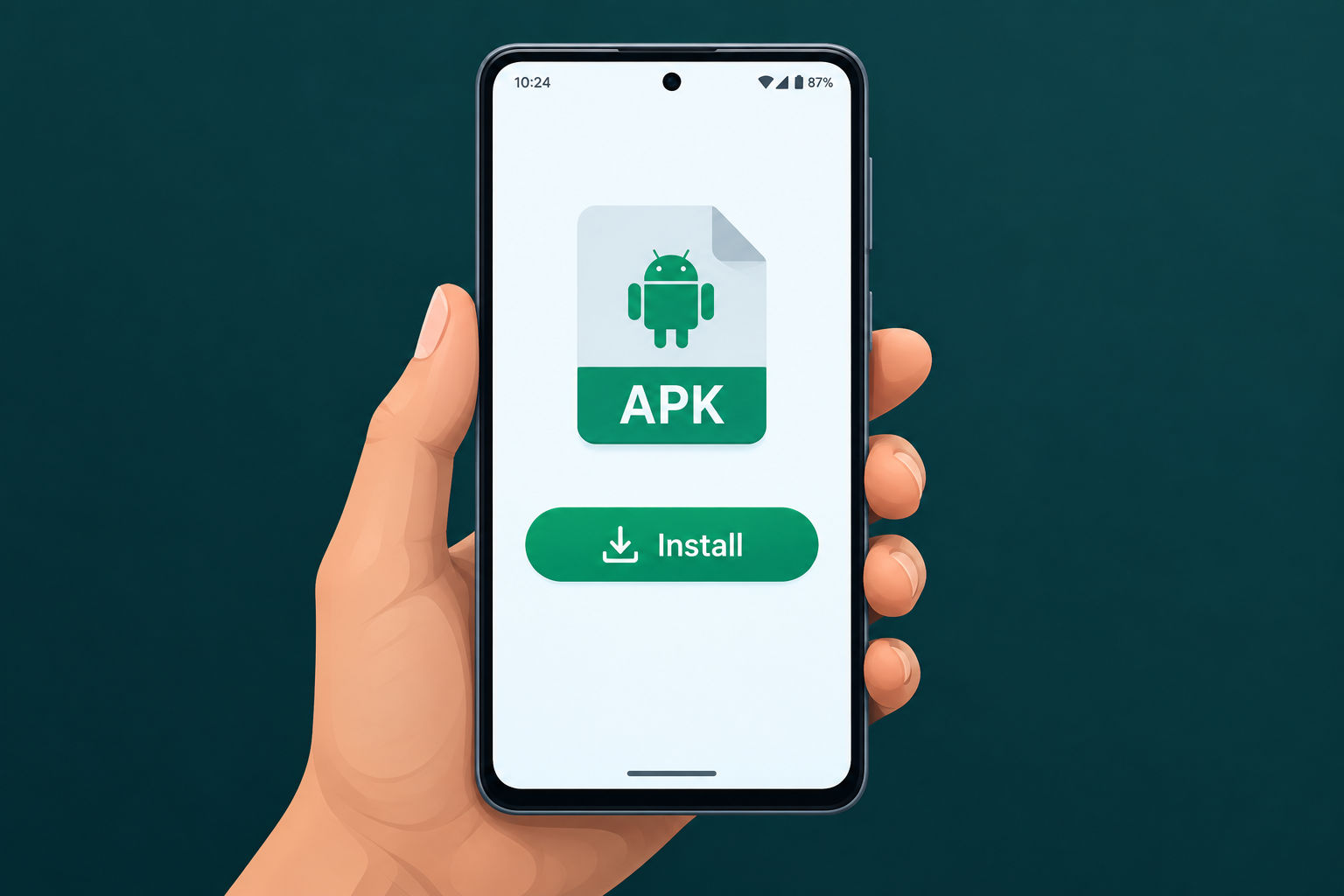
To install an APK on a phone running Android 8.0 or later, which covers almost every phone in use in November 2026, tap the downloaded file and allow the app that opened it (usually Chrome or Files) to “install unknown apps” when Android asks. Then tap Install. Only download APKs from a source you trust, such as the developer’s own website or APKMirror. On a Samsung Galaxy you may also need to switch off Auto Blocker for a moment. Since 30 September 2026, Brazil, Indonesia, Singapore and Thailand also require a one-time, 24-hour “advanced flow” before apps from unverified developers will install, and Google plans to apply that rule worldwide in 2027.
The Google Play Store has a huge catalogue, but it doesn’t have every app. Some apps stay out of Play for policy reasons. Others come straight from the developer, or are beta versions that haven’t reached the store yet. An APK file lets you install those apps yourself.
An APK can put an app on your phone, but it can’t change where a service works. Streaming services such as Hulu and Pandora check your location and your account. If they don’t operate in your country, installing the app from an APK won’t make them stream.
Installing APK files safely
Android makes APK installs a little awkward on purpose. A bad APK is one of the most common ways malware gets onto phones. Google says its own analysis found over 50 times more malware from apps sideloaded from the internet than from apps on Google Play. The steps below use the switches Android provides for this, so you never have to turn off your phone’s security.
Note: Only install APKs from sources you trust. The best source is the developer’s own website. APKMirror is a long-running, well-regarded site for APK files. It checks that each upload is signed by the same developer as the original app. An APK from a questionable site can carry malware that steals your data or damages your phone. Google Play Protect still scans apps you install outside the Play Store, so leave it switched on. You’ll find it in the Play Store under your profile icon > Play Protect > the settings gear > Scan apps with Play Protect.
What is an APK file
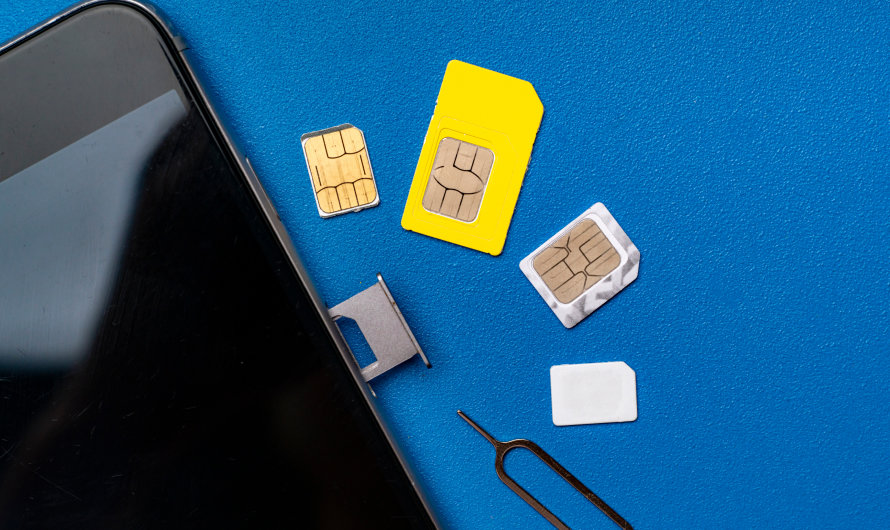
An APK (Android Package) file is the format Android uses to install apps. It works much like an.exe installer on Windows. When you install from the Google Play Store, Play downloads and installs the package for you behind the scenes. With an APK file, you install it by hand, which people call “sideloading.” That’s useful when the Play Store doesn’t offer the app you want.
Many modern apps no longer come as a single APK. Developers often publish them as “split APKs”: a base package plus extra pieces for your screen size, language and processor. Download sites bundle these into files ending in .apkm, .xapk or .apks. Android can’t open these bundles on its own. You need to install the complete set, because installing only the base APK can fail or leave the app incomplete.
First, find out which Android version your phone runs
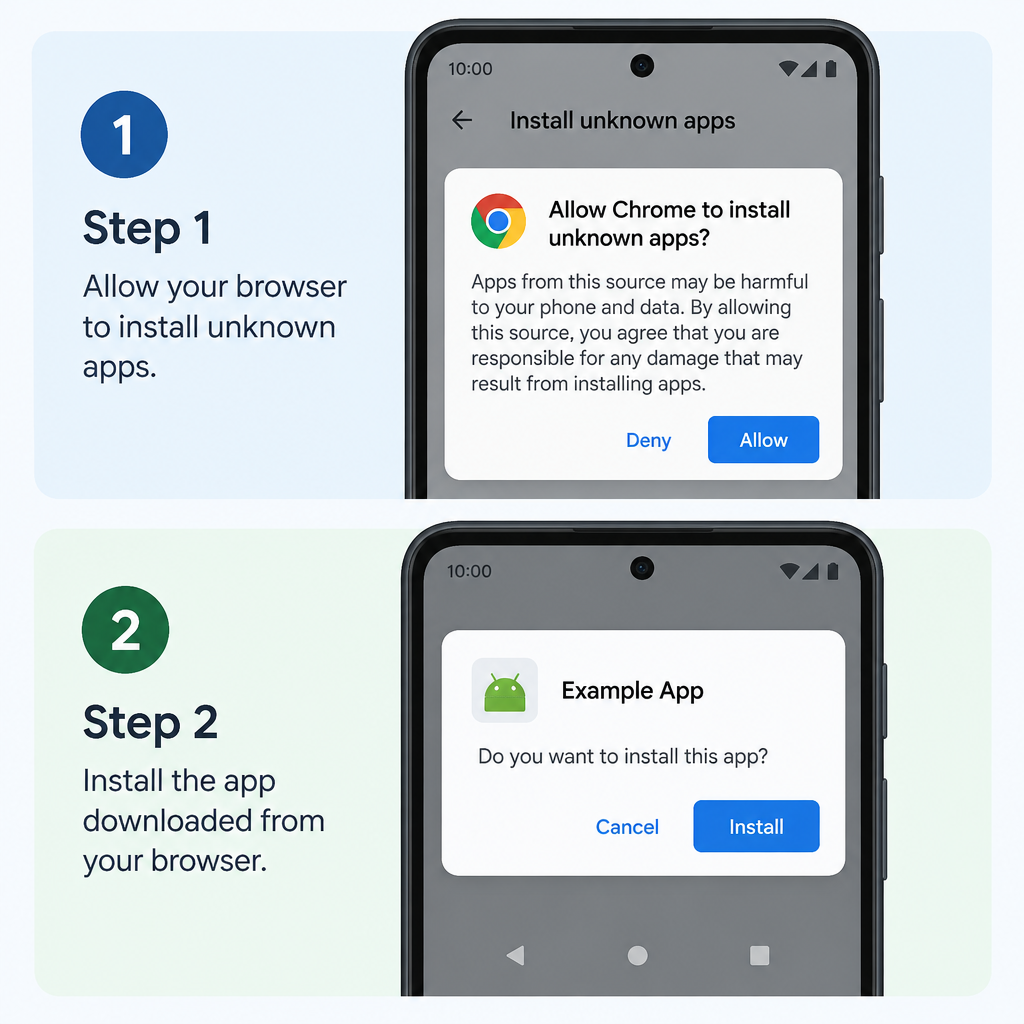
The steps depend on your Android version. Android 8.0 (Oreo) changed the method. Before Oreo, there was one phone-wide “Unknown sources” switch. From Oreo on, you give permission to each app separately, for example to Chrome or to your file manager.
To check your version, open Settings > About phone and look at Android version. On some phones, such as Samsung Galaxy models, it’s under Settings > About phone > Software information. Newer versions show only a number, from Android 10 up to Android 17, which Google released for Pixel phones on 16 June 2026. Older versions also had dessert code names, such as Android 4.0 Ice Cream Sandwich, Android 7.0 Nougat and Android 9 Pie.
The first guide below covers Android 4.0 (Ice Cream Sandwich) through Android 7.1 (Nougat). If your phone runs Android 8.0 or newer, skip to the second guide.
Why and when you need an APK file
You usually need an APK when an app you trust isn’t available to you in the Google Play Store. Common reasons:
- The developer publishes the app outside Play, on its own site or in its own store. The Epic Games Store and the F-Droid catalogue of open-source apps are two well-known examples.
- You want a beta build or an earlier version of an app, for example after an update broke something you rely on.
- Your device has no Google Play, as on Amazon Fire tablets.
- The app was late reaching your country’s Play Store.
Region launches show how that last case worked in the past. Pokémon GO launched in the US in July 2016 but didn’t officially arrive in Pakistan until December 2016. Pakistani news outlets reported that many players there installed it from an APK in the months before that. Spotify was in the same position until 23 February 2021, when it launched officially in Pakistan. Today it’s in the Play Store there like anywhere else.
Services that are licensed by region are a different matter today. Streaming apps check your location or account country, so an APK may install but refuse to work, and getting around a regional launch can break the service’s terms. The official route is to wait for the launch in your country. When it happens, switch to the Play Store version so the app updates automatically.
How to install an APK file on Android 4.0 to 7.1
First, download the APK file you want to install. Use the developer’s own site or a reputable source such as APKMirror. The simplest way is to open the site in your phone’s web browser and download the file straight to the phone.
When the download finishes, find the file in your phone’s Downloads folder. You can reach it from your browser’s downloads list or through your phone’s file manager app (often called Files, or My Files on Samsung phones). It’s the same app you’d use to browse your photos and other folders by hand.
Once you’ve found the APK, note where it is. You’ll come back to it in a moment.
Next, you need to turn on one setting. Where it lives depends on your phone’s maker and Android version, so the menus vary from phone to phone.
On most phones running these versions, the setting is in Settings > Security or Settings > Applications. It’s called Unknown sources and is described as “Allow installation of apps from unknown sources.”
It will be a toggle switch or a checkbox, and you’ll see a confirmation box when you turn it on. If your Settings app has a search bar, search for “unknown sources” to find it straight away.
After you turn the setting on, go back to the APK file and tap it. Then tap Install, and Android will install the app.
The app may not show up on your home screen right away. If it doesn’t, open the app drawer, find the app and add a shortcut to your home screen.
On these versions, the switch lets any app on the phone install other apps. So once your app is installed, go back and turn Unknown sources off again.
How to install an APK file on Android 8.0 and later
Google changed how APK installs work in Android 8.0 (Oreo), and the same method still applies on every version since, up to Android 17. Instead of one phone-wide switch, you let one specific app install APKs. That’s normally your browser or your file manager. It takes a step or two more than before, but it’s safer and not hard.
The quickest way:
- Download the APK in your browser, or find it in your file manager (Files by Google on many phones, My Files on Samsung).
- Tap the APK file.
- Android shows a message saying your phone isn’t allowed to install unknown apps from this source. Tap Settings.
- Turn on Allow from this source.
- Go back and tap Install.
You can also set it up ahead of time. Open Settings and search for “unknown.” Choose the result called Install unknown apps, and you’ll see a list of apps. On a Google Pixel and most other phones, the full path is Settings > Apps > Special app access > Install unknown apps. On a Samsung Galaxy it’s Settings > Apps > the three-dot menu > Special access > Install unknown apps. Some phones put Special app access under an Advanced section.
Tap your file manager or browser, whichever app will open the APK. You’ll see a toggle labelled Allow from this source. Switch it on, and you’re set.
When you’ve finished, switch the permission off again for that app. Then a malicious download can’t install itself later through that app without asking you.
If Google Play Protect warns that an app is unsafe or blocks it, take that warning seriously. Cancel the install unless you’re certain where the file came from.
Samsung Galaxy phones: Auto Blocker
Galaxy phones running One UI 6.0 or later have Samsung’s Auto Blocker, and many phones have it switched on by default. It blocks apps from anywhere other than Galaxy Store and Google Play. While it’s on, the Install unknown apps setting is locked, and installs from an APK stop with a pop-up.
Samsung’s advice is to turn Auto Blocker off for a moment, and only if you’re sure the app is safe:
- Go to Settings > Security and privacy > Auto Blocker and switch it off.
- Install the app as described above.
- Switch Auto Blocker back on.
Apps from outside approved stores can’t be updated while Auto Blocker is on, so you’ll need to repeat this for each update.
Installing split APK bundles
Files ending in.apkm,.xapk or.apks won’t install with a tap, because each is a bundle of several APKs. APKMirror makes a free APKMirror Installer app, available on Google Play, which installs the whole bundle in one go. Give that app the Install unknown apps permission, open the bundle from inside it, and follow the prompts.
Developer verification and the advanced flow
Google announced Android developer verification in 2025. It requires app developers to register and verify their identity, and it applies to apps on certified Android devices, not only apps distributed through Google Play. Enforcement started on 30 September 2026 in Brazil, Indonesia, Singapore and Thailand, on phones running Android 7.0 or newer. In those countries, apps from developers who haven’t registered can be blocked from installing or updating. Google says it will extend the rule worldwide in 2027. Phones in the US and other countries aren’t affected yet.
Sideloading isn’t banned. Most well-known apps come from registered developers and install exactly as described above. Apps you sideloaded before the rules started aren’t deleted. For apps from unverified developers, Google announced an official route in March 2026 that it calls the “advanced flow.” It began rolling out in August 2026 and works like this:
- Turn on Developer options by tapping Build number seven times in Settings > About phone.
- In Developer options, open Apps from unverified developers and turn on Allow apps from unverified developers.
- Confirm with your screen lock, and confirm that nobody is pressuring you to change the setting.
- Restart the phone and wait 24 hours.
- Return to the setting and choose whether to allow unverified apps for seven days or indefinitely.
This is a one-time process, not a new 24-hour wait for every app. Android still shows a warning before each install or update from an unverified developer, and you tap Install anyway to continue. You don’t need to keep Developer options switched on once the flow is finished. The setting arrives through a system component that Google is rolling out gradually, so some phones may not show it yet, and menu labels can differ between phone makers.
The 24-hour wait is there to stop scammers. A common trick is a caller who talks the victim through installing a malicious app while still on the phone. If anyone on a call asks you to change this setting, hang up.
After the install: Play Protect and restricted settings
Google Play Protect scans sideloaded apps when you install them. It may warn you about an app or offer to scan an unfamiliar app first. If it flags an app as harmful, cancel the install.
Since Android 13, sideloaded apps that ask for sensitive access, such as Accessibility or notification access, show a Restricted setting message. Malware often asks for exactly this kind of access. A normal game or music app never needs Accessibility access, so think carefully before you allow it.
Keeping sideloaded apps up to date
The Google Play Store usually won’t update an app you installed from an APK. You’ll need to check for updates yourself and install newer APKs to get new features and security fixes.
A weekly check is a sensible habit. Following the app’s official website or social media accounts also helps you catch important updates. Some sources do the work for you: F-Droid updates its own apps, and the APKMirror Installer can tell you when newer versions are available.
A newer APK usually installs over the old version and keeps your data, as long as it comes from the same developer. If Android refuses to install the update, the file may not have come from the original developer. Treat it as suspicious.
If the app later turns up in the Play Store in your country, uninstall the APK version and install it from Play. Updates will then arrive automatically.
FAQ
Is it safe to install APK files?
It’s safe if the file comes from a trustworthy source, such as the developer’s own website or a reputable site like APKMirror, and you check what the app asks for. APKs from unknown websites, forums or messaging apps are a common way malware spreads, and “free premium” or “modded” versions of paid apps are especially risky. Keep Google Play Protect switched on so it can scan anything you install.
Is installing APK files legal?
Installing an APK of a free app, or one you’re entitled to use, is legal, and Android supports it officially. Installing pirated or modified copies of paid apps isn’t legal. These are also among the riskiest files you can download.
Why does my phone say “App not installed”?
The APK usually doesn’t suit your phone or doesn’t match an app that’s already installed. Common causes are a file built for a newer Android version or a different processor, a version older than the one already on your phone, a file signed by a different developer than your installed copy, or a split-APK bundle installed as a single file. Use the APKMirror Installer for.apkm,.xapk and.apks bundles. On a Samsung phone, also check Auto Blocker.
Will an APK let me use an app that isn’t available in my country?
It can install the app, but often the service still won’t work. Streaming apps such as Hulu and Pandora check your location and account and only work in the countries they serve. Using them this way can also break the service’s terms, so the reliable fix is to wait for an official launch or use a service that’s available where you live.
Do the 2026 sideloading rules affect phones in the US?
Not yet. As of November 2026, developer verification is enforced only in Brazil, Indonesia, Singapore and Thailand. Google has said it will expand it worldwide in 2027. After that, apps from verified developers will keep installing normally, and the advanced flow will remain the official route for apps from unverified developers.
How do I turn off “Install unknown apps” after installing?
On Android 8.0 and later, go to Settings > Apps > Special app access > Install unknown apps, tap the browser or file manager you used, and switch off Allow from this source. On Android 7.1 and earlier, turn off Unknown sources in Settings > Security. Samsung owners should also switch Auto Blocker back on.
Sources
- Android developer verification (Android Developers)
- Android developer verification: Balancing openness and choice with safety (Android Developers Blog)
- Allow app installs from unverified developers (Android Help)
- Use Google Play Protect to help keep your apps safe and your data private (Google Help)
- Protect your Galaxy device with the Auto Blocker feature (Samsung Support)
- APKMirror Installer (APKMirror)